










Jesus often referred to His followers as “sheep.” When He looked at people who were worn down and discouraged, the Gospels tell us that “He felt compassion for them, because they were distressed and dispirited like sheep without a shepherd” (Matthew 9:36). Those who had not yet trusted Jesus were also described as sheep. Jesus said He “was sent only to the lost sheep of Israel” (Matthew 15:24).
When we read the many passages in which Jesus uses the imagery of sheep, we should recognize something familiar—especially if we have spent any time in law enforcement. As police officers, we often recognize that there are people who prey on others and people who are preyed upon. Jesus recognized this distinction as well. When He sent His disciples into neighboring communities, He warned them, “Behold, I send you out as sheep in the midst of wolves” (Matthew 10:16).
Jesus understood both the distinction and the danger.
Officers understand it, too. We know there are people who victimize others, exploit weakness, abuse the innocent, and create fear in the lives of those unable to protect themselves. We also know there are victims who need someone to come when they call—someone willing to stand between them and the person intent on doing harm.
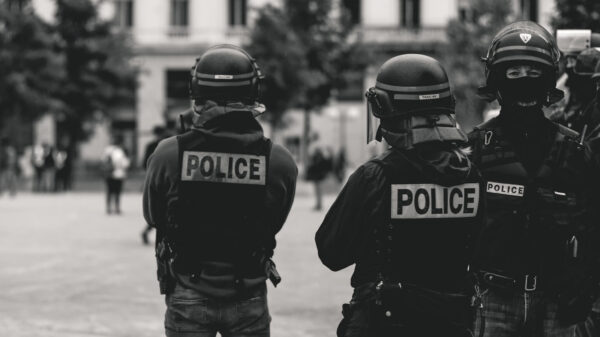
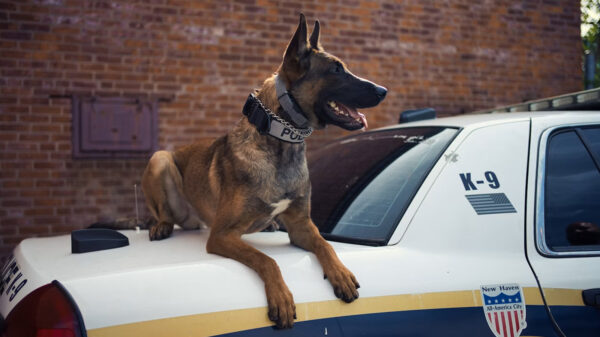
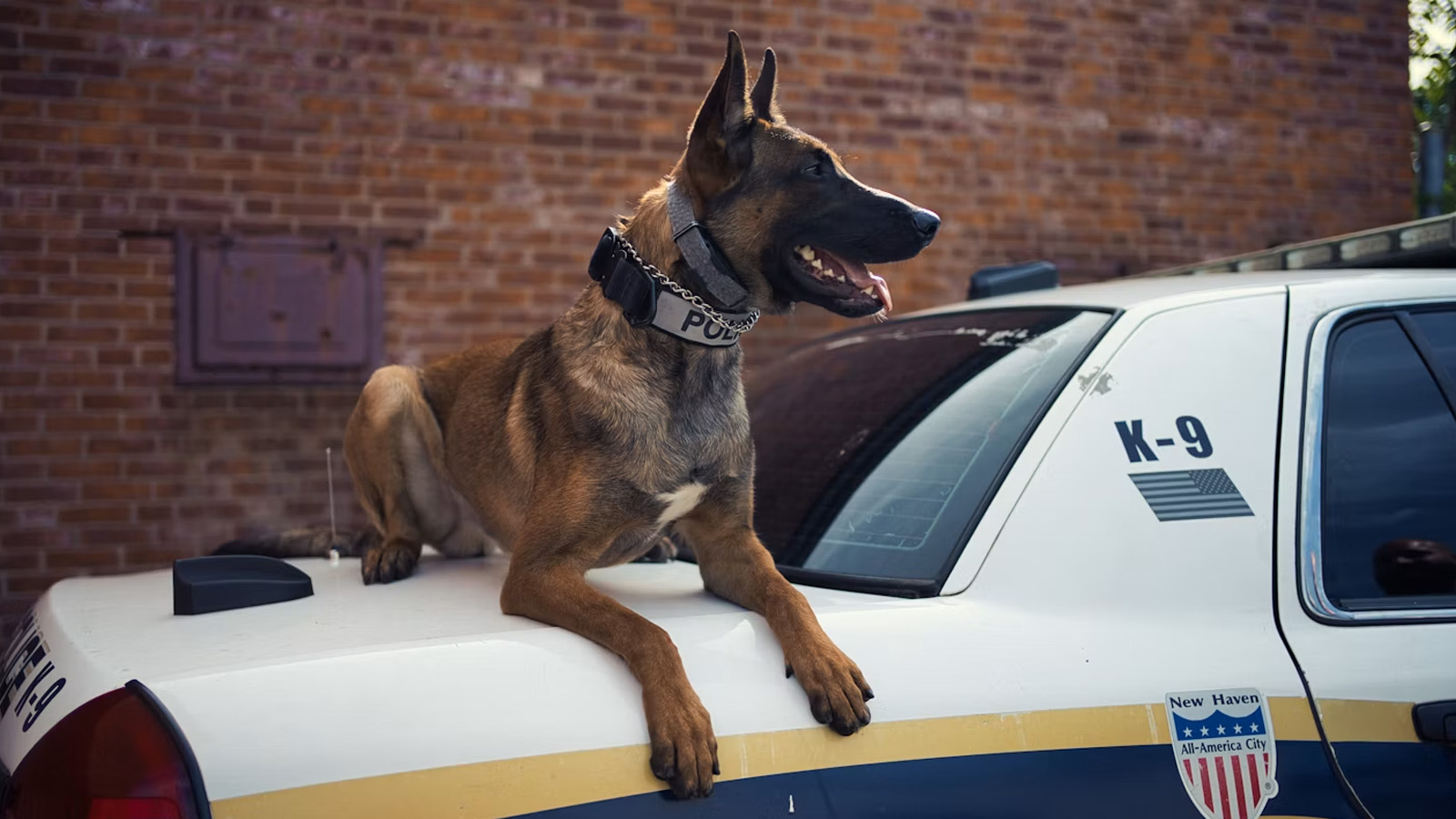
In that sense, law enforcement officers often serve as sheepdogs. We are called to protect the vulnerable from those who would victimize them. This is part of the nature of law enforcement itself: stepping into disorder, danger, and human brokenness so that others can live in greater safety and peace.
But there is another way Christian officers must become sheepdogs.

As believers, we are also called to protect and strengthen the people around us spiritually. We are commissioned to help others recognize the truth of Christianity, resist the challenges of a hostile culture, and remain close to the Good Shepherd. Christian officers are not merely responsible for enforcing the law or responding to calls for service. We are also responsible for representing Christ faithfully in a profession that often sees humanity at its worst. As believers, we are also called to protect and strengthen the people around us spiritually. We are commissioned to help others recognize the truth, resist the challenges of culture, and remain close to the Good Shepherd. Share on X
And while it is good to accept that responsibility personally, there is an even greater opportunity: as sheepdogs, we ought to create more sheepdogs.
The analogy of sheep, sheepdogs, and wolves is instructive. Sheep are typically unable to defend themselves from predators. Their instinct is more often to flee than to confront a threat. They are vulnerable, easily frightened, and frequently unaware of danger until it is already close. They may also be irritated by sheepdogs that circle them, redirect them, or urge them away from danger. In fact, sheep often do not realize they need protection.
Does that sound familiar?
Many people in our culture are similarly unprepared for the dangers around them—both physical and spiritual. They may not recognize the destructive consequences of evil, deception, addiction, violence, criminality, or moral confusion until they or someone they love has become a victim. This is one reason officers are sometimes misunderstood. We see patterns that others do not see. We know what can happen behind a closed door, after a domestic argument escalates, when someone gives in to addiction, when a child is neglected, or when a predator is allowed to operate unchecked. We understand that the most dangerous threats are often not obvious to those who have never encountered them. That knowledge can make us seem overly cautious, skeptical, or even unwelcome. But it can also prepare us to serve our families, our churches, and our communities with wisdom.
True sheepdogs are sometimes unpopular with sheep for another reason: sheepdogs and wolves have certain similarities.
Both are canines. Both have teeth. Both are capable of confronting danger. Both understand the realities of a world in which threats are real. The difference is not that one is powerful and the other is weak. The difference is in their nature, their loyalty, and the purpose for which they use their strength. There is a little bit of wolf in every sheepdog. A sheepdog can recognize a wolf because, in some important ways, he understands how wolves think and operate. That understanding enables him to identify threats and deal with them effectively.
Christian officers understand this. We work in a fallen world. We have witnessed the effects of sin, selfishness, deception, anger, greed, and violence. We know that people are capable of terrible things. But if we are honest, we also know that none of us is free from sin. We are not morally superior to the people we encounter. We are sinners who have been shown mercy by a Savior.
That truth should shape the way we serve.
The best Christian officers recognize their connection to the people they are trying to reach. The people we arrest, investigate, counsel, correct, or encounter on a call are not merely problems to manage. They are human beings made in the image of God. Some are dangerous. Some must be restrained. Some must be held accountable. But all are in need of redemption. The more clearly we understand our own need for grace, the better prepared we will be to represent Christ with humility, courage, and compassion. This does not mean we ignore evil. It means we understand evil without becoming defined by it. It means we confront wrongdoing while remembering that the Gospel is for us as much as it is for anyone else.
That balance is increasingly important in a culture that misunderstands the profession. Officers are often viewed through the lens of controversy, suspicion, or caricature rather than through the reality of the calls we handle, the victims we serve, and the chaos we help restrain. Yet Scripture describes governing authorities as God’s servants “for your good” (Romans 13:4). A biblical view of policing neither excuses misconduct nor treats an entire profession as inherently corrupt. It calls officers to justice, mercy, courage, accountability, and humility.
When every Christian officer becomes a sheepdog of one kind or another—prepared to protect, serve, explain, encourage, and lead—the Church is stronger, law-enforcement families are stronger, and our communities are better served. It is time for each of us to move from being spiritually unprepared to spiritually equipped. It is time for all of us to become sheepdogs.
If you haven’t yet trusted the Savior who call us to be sheepdogs, there is no better time than now.