


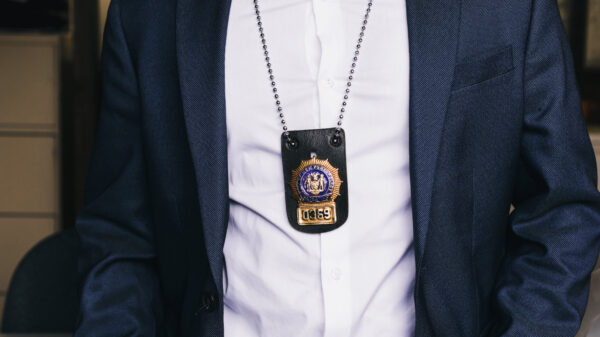



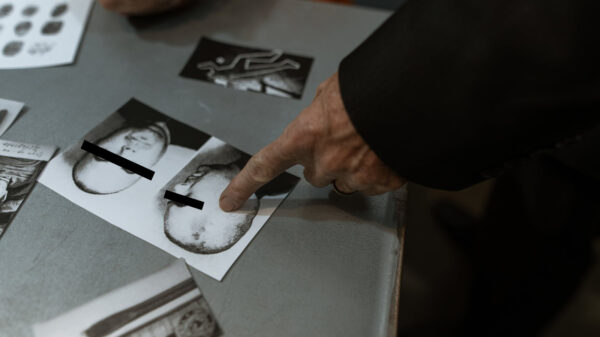





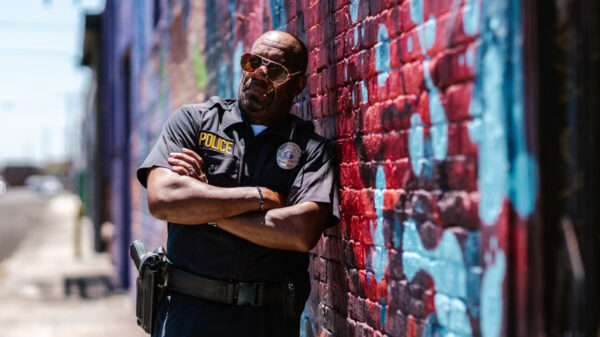



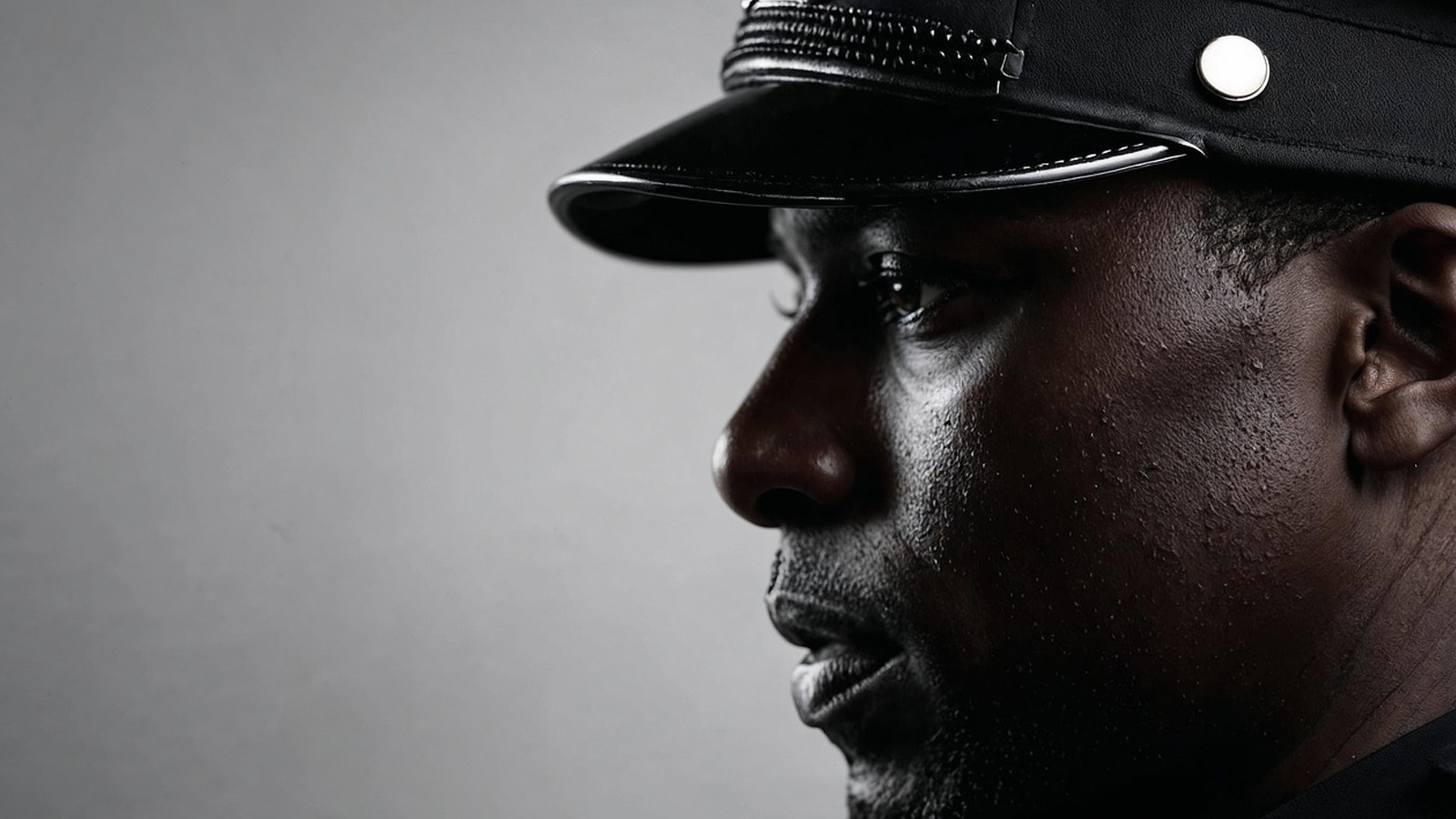
Police work exposes people to realities most of the public will never see. Officers encounter violence, death, addiction, betrayal, family tragedy, and the painful consequences of human brokenness. They are trained to act decisively, maintain control, and move on to the next call. But trauma, grief, and accumulated stress do not automatically disappear when a shift ends. They can follow an officer home, disrupt sleep, damage relationships, deepen isolation, and slowly change the way a cop sees the world.
That is why chaplains matter.
The most effective chaplains earn trust over time. They show up consistently: at roll call, after a critical incident, in the hospital, at a funeral, during a family crisis, and in the quieter moments when an officer simply needs someone safe to talk to.
A chaplain is not a member of the Internal Affairs unit. He or she is not there to investigate, evaluate performance, or report every personal struggle to command staff. Instead, a chaplain provides compassionate, confidential, spiritually grounded care. Officers spend much of their lives serving as the person others call for help. A chaplain gives them permission to set aside that role briefly and speak honestly about what they are experiencing.
This can be life-giving. Chaplaincy gives officers a place to process grief before it becomes cynicism, confront fear before it produces isolation, and seek help before stress creates deeper personal or family damage. The law enforcement profession requires courage and resilience, but it does not require pretending that repeated exposure to trauma leaves no mark.
Chaplains also serve the people who bear the weight of the badge alongside the officer: spouses, children, parents, partners, dispatchers, and fellow personnel. A family may not know how to respond after a shooting, a suicide, a line-of-duty death, or a season of unusually difficult calls. A chaplain can bring a calm presence, practical support, prayer when welcomed, and the reassurance that the family is not alone.

Trust does not require an officer to disclose everything immediately. It grows through presence, discretion, humility, and demonstrated concern. A good law-enforcement chaplain understands the culture of the profession without excusing its unhealthy habits. He or she knows the difference between an officer who needs quiet and one who may be withdrawing dangerously. A chaplain listens well, prays appropriately, encourages professional counseling when needed, and recognizes situations that require immediate intervention.
For Christian officers, chaplaincy also provides spiritual encouragement in a career that regularly confronts profound questions. Law enforcement personnel see evil, injustice, suffering, broken families, and death in ways that can challenge even a mature believer. Christianity does not require an officer to ignore those realities. It offers a truthful framework for facing them: every person bears God’s image; justice matters; mercy matters; and every officer needs grace.
This is part of the deeper identity Christian officers are called to protect. Police work is important, but it must not become the whole of a person’s identity. As officers, we are more than our assignment, rank, agency, or career. A trusted chaplain can help keep that perspective alive when the pressures of the job tempt someone toward anger, numbness, or despair.
Similarly, Christian officers are called to be courageous servants and protectors. The Christian life in law enforcement involves more than responding to danger; it requires faithful character, humility, and a commitment to serve others well.
If you are a Christian officer, retired officer, pastor, or trusted member of the law-enforcement community, consider whether God may be calling you to chaplaincy. Chaplains do not need to possess every answer. But they do need a servant’s heart, emotional maturity, spiritual depth, discretion, healthy boundaries, and a willingness to be present on someone else’s worst day.
Training is an important part of preparing for that calling.
The Chaplains Collective provides ongoing chaplaincy education designed to equip men and women for effective ministry. Living Shield Ministries also offers chaplain-training courses and skill development focused on caring for people in crisis, delivering instruction in interactive, in-person class settings by experienced chaplains.
For those specifically drawn to law-enforcement chaplaincy, the Billy Graham Evangelistic Association Law Enforcement Chaplain Training Program is a specialized, biblically based training taught by former law-enforcement officers. It is open to active-duty and retired officers, chaplains, pastors, and others interested in serving the law-enforcement community, regardless of prior law-enforcement experience.
A chaplain may not wear the badge, but he or she can help protect the people who do. In a profession built around responding to others’ worst days, that ministry is not peripheral. It is essential.
If you haven’t yet trusted the Savior who can slowly change the way you see the world as a police officer, there is no better time than now.




















Emmet Thomas Walls
September 8, 2026 at 11:12 am
Excellent article & read. Chaplains in our Police communities play a critical role in providing support in general & situations as mentioned; when support may be searched for by our fellow officers.
The respect I have for our serving chaplains both in & out of uniform in is immeasurable.
I still remember hearing the prayer my class was presented during my attestation as a Probationary Constable in the NSW Police Force. It was a blessed & honourable highlight in my career to bow my head & close my eyes in prayer before taking the oath & receiving my badge.
Praise & glory to our Lord & Saviour.