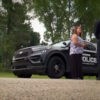
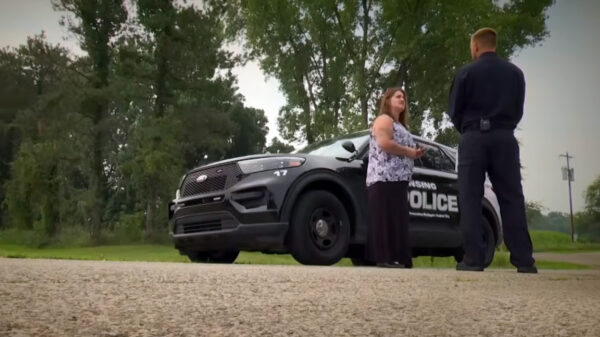
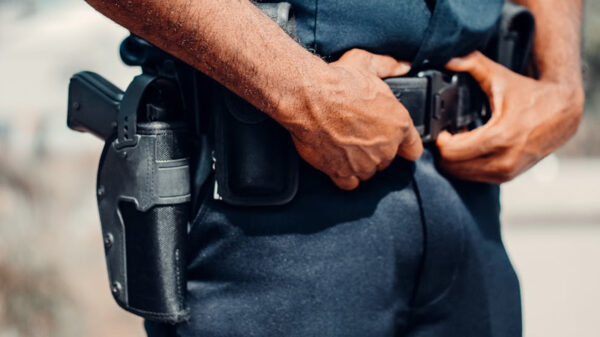


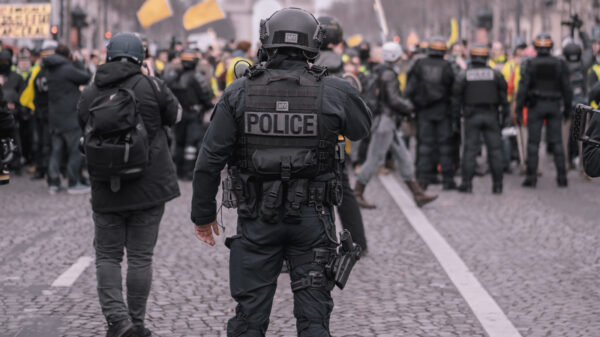

Law enforcement has always been a dangerous profession, but recent announcements like Fort Worth Police Department’s decision to expand bullet‑resistant glass on patrol vehicles remind us that the danger is simply a reflection of the primacy of law enforcement. Officers step into harm’s way because every other profession depends on someone standing between order and chaos. When a city chooses to harden patrol cars -equipping more than 100 units and 17 SWAT vehicles and now expanding to 130 more – it is simply acknowledging what you and I already know: we must do whatever it takes to protect the men and women who protect everyone else.
Years ago, I argued that law enforcement is “the world’s only essential profession,” the foundational calling upon which all others depend. Like Apple to the companies that make iPhone covers, law enforcement is the essential profession from which other professions “take root and grow.” There can be no teachers in classrooms, nurses in hospitals, or pastors in churches if our streets are unsafe. Our culture may take that foundation for granted, but the moment a murderer is on the loose, a child goes missing, or a community faces violence, law enforcement is once again “the hope of a nation.”
That “essential” nature makes our job obviously and unavoidably dangerous.
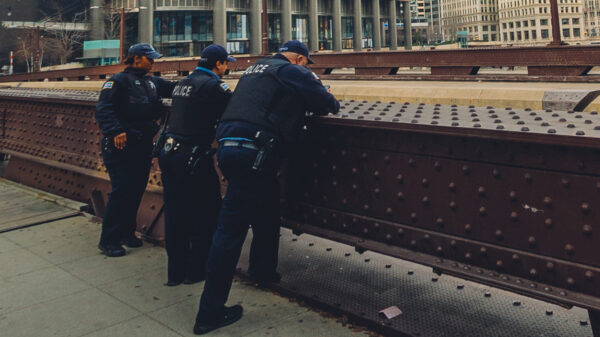
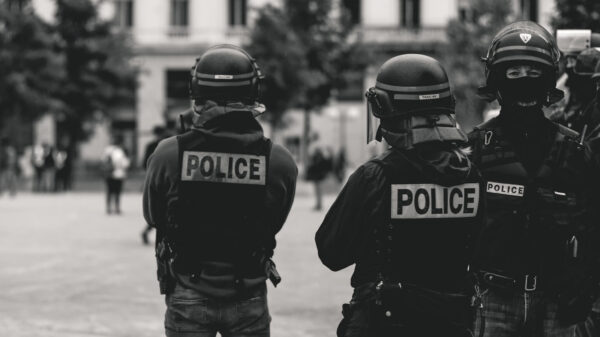
We send officers into the very places everyone else flees. We ask them to run toward gunfire, intervene in violent domestic disputes, confront predators, and stand between the vulnerable and those who would harm them. The risk is not a bug in the system; it is a feature of the calling. If the mission is to “keep order, protect the innocent and restrain evil,” then danger is the necessary cost of doing what no other profession can or will do. The funerals we attend, the names etched into memorial walls, and the families left behind are, unfortunately, the predictable cost of standing on the front lines. We send officers into the very places everyone else flees. We ask them to run toward gunfire, intervene in violent domestic disputes, and stand between the vulnerable and those who would harm them. Share on X
That’s precisely why investing in officer safety – whether bullet‑resistant glass, better armor, improved tactics, or stronger staffing – isn’t a luxury, it’s a moral obligation. If law enforcement is foundational to every other profession, protecting officers is a wise expression of love for the entire community. We cannot demand that men and women bear a unique, life‑threatening burden and then neglect the tools that give them a fighting chance. When we do this, we treat the one essential profession as expendable.

For Christian officers, the danger is not merely professional; it’s spiritual and emotional. As I’ve written here on the website, hopelessness is not theoretical for cops – it “touches us all at some point,” and officers confront it in others and in themselves. We see people at their lowest moments, feel the power of their suffering, and live with the weight of human evil. For us, depression and despair are more than clinical descriptions. They’re the people we meet on calls, and sometimes the face we see in the mirror. The necessary danger of law enforcement is not only the possibility of being shot, but also the steady erosion of hope.
That is why the Christian worldview is so important.
The Biblical definition of “hope” is far more than “wishful thinking.” It’s the confident certainty of a promise, based on the evidence provided by God in the scriptures. So, while our culture may be losing optimism – 70% no longer feel hopeful about positive change – Jesus-followers know hope is anchored in a Person rather than our circumstances. As Christian police officers, we don’t deny the darkness. Instead, we walk into the “hard places” carrying a different resource: certainty in a God who sees, cares, and offers eternal life. That kind of hope buffers the soul against negativity, reduces despair, and gives us the resiliency to get up for one more shift.
We don’t fight this necessary danger alone. We share our burdens with trusted brothers and sisters, and we cultivate healthy routines so the job doesn’t become our only identity. We limit the endless scroll of negativity and intentionally seek out stories of redemption, change, and growth, even in small victories. We commit to prayer and spiritual disciplines rooted in the Word of God, and when the weight is too much, we try to be humble and courageous enough to seek professional help.
Law enforcement is more than a job; it is a calling “to protect, to serve, and to bring hope where it is needed most.” The danger we face is necessary because the evil we confront is real. We serve in the world’s one essential profession, under the authority of the world’s one sovereign King. For that reason, we must unapologetically do everything in our power to protect those who stand between order and chaos.
To dive deeper, here is my interview with Frank Turek about the importance of Law Enforcement:
Here is my interview with Bill Arnold:
Also, if you’re a police officer and you haven’t yet trusted the Savior who can help you fulfill your calling in the one necessary profession, there is no better time than now. The guidance and protection of God is available for anyone who seeks Him.