



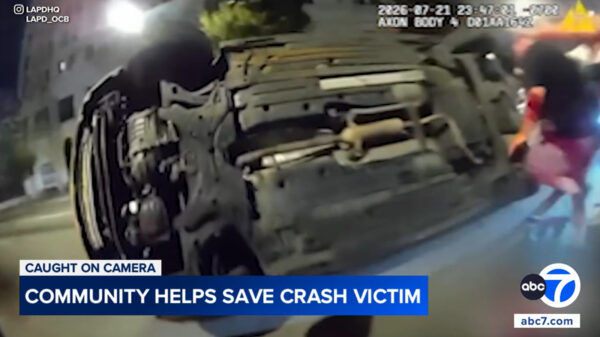










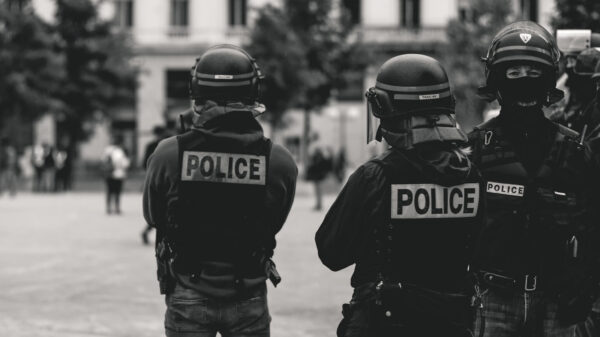
Every time a police video goes viral, the script is the same: a clip rips across social media, emotions spike, narratives harden, and within hours millions of people are certain they know exactly what happened. Lines get drawn. “Back the blue” on one side, “abolish the police” on the other.
But as but as police officers, we know our friends and family members need to take a different approach in that moment; not less passionate about justice, but more patient, more informed, and more hopeful than the surrounding culture. We also know we’re called to give them perspective. Every time a police video goes viral, the script is the same: a clip rips across social media, emotions spike, narratives harden, and within hours millions of people are certain they know exactly what happened. Share on X
One of the most important lessons I learned from decades in law enforcement is the difference between reactions and responses. Many of my non-law enforcement friends haven’t thought through this difference, however. Reactions are instant, emotional, and amygdala‑driven—like bobbing instantaneously when someone tries to punch you in the face. Responses are thoughtful, deliberate, and frontal‑lobe driven—they require time, information, and reflection.
On social media, everything is engineered to keep us in reaction mode. That’s why we need to encourage our friends and family members to slow down and move toward response mode. We need to describe the importance of resisting the temptation to decide the whole case from a 15‑second clip. Body cams, multiple angles, audio, prior context, and policy details matter, but as detectives and police officers, we know better than to build cases from one frame of video. Let’s help our friends:
Learn how policing actually works
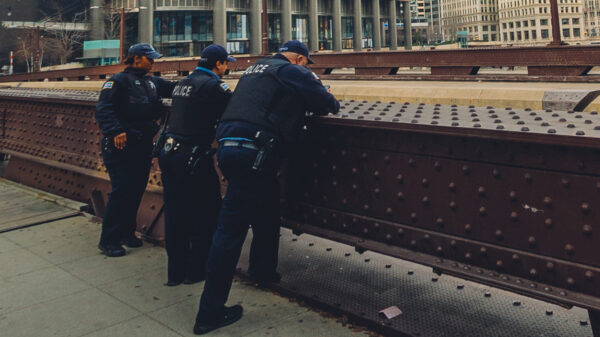
Most people don’t realize the difference between calls for service and self‑initiated field activity. They also don’t understand the difference between the duties and responsibilities of local patrol officers and federal enforcement teams. Finally, they don’t fully understand the difference between the “force continuum” (how we leverage presence, voice, hands, tools, and then deadly force) and the idea that “cops just do whatever they want”. Officers are asked to respond to unpredictable, dangerous situations and make life‑and‑death decisions in seconds—then the public analyzes them for months in slow motion from multiple angles. That doesn’t make the scrutiny of our friends and family members wrong, but it should cause them to start from a position of “informational humility.”
Recognize the mental and spiritual toll on officers
At a marriage‑resiliency retreat we help lead for cops involved in critical incidents, we’ve listened to hundreds of officers describe shootings, ambushes, child deaths, and scenes they can’t unsee. Many are physically injured, emotionally traumatized, or medically retired, and their marriages are hanging by a thread. Our friends and family members need to understand we aren’t superheroes. We’re human beings with nightmares, regrets, and a desperate need for grace.

Hold two truths at once: accountability and appreciation
It is entirely consistent to say: “Bad shoots and abusive cops must be removed and prosecuted” and “Most officers are trying to do an impossible job under impossible scrutiny, and we’re grateful for them.” Good cops are often more angry about bad officers than any activist is – because we have to wear the same uniform and face the same hostility.
Support investments in better policing
If our friends and family want fewer tragic outcomes, they need to support more training, especially in force options and de‑escalation. They also need to understand and support our requests for better equipment, so officers don’t have to choose between recklessness and self‑preservation. Finally, our friends and family members need to advocate for adequate staffing, so cops aren’t making high‑risk decisions while burned out, exhausted, and alone. Ironically, calls to defund or starve departments of resources often backfire. Underpaid, underequipped, understaffed agencies struggle to recruit and retain precisely the kind of thoughtful, patient, well‑trained officers everyone says they want.
Remember the real enemy
Our battle is not ultimately against “the police” or “the protesters”, but against sin, lies, fear, and the spiritual forces that delight in chaos and division. Every person in the video – the officer, the suspect, the bystanders – is an image‑bearer who needs the gospel. That’s why we, as police officers, need to commit our lives to Christ and share the Gospel with others, especially the friends and family members who know us best.
So next time a cop clip explodes online, consider a different path: pause, pray, research, and then respond. Ask God to help you see the situation through the lenses of truth and grace, not just tribe and outrage.
If you haven’t yet thought embraced the truth of Jesus and the power of the Gospel, there is no better time than now to start life anew and share God’s life-changing message with others. The wisdom, guidance, and protection of God is available for anyone who seeks Him. Also, you can hear more about this topic on our podcast:
If you’ve ever struggled to reconcile your Christian worldview with what you see on the news about policing, this episode will help you rethink assumptions, make careful distinctions, and respond with both truth and compassion. Here is the audio podcast (the Cold-Case Christianity Weekly Podcast is located on iTunes or our RSS Feed):























ROBERT FAUBEL
April 28, 2026 at 9:52 am
Great article. I use your videos from Rightnow Media for our FCPO meeting online. I create LEO videos and send them out as motivation to officers. Thank you for all that you have done for law enforcement.